
Product Description
Basic Info.
What is half coupling?
Half coupling is used for small bore branching from a vessel or large bore pipe. It can be threaded or socket-type. It has a socket or thread end on only 1 side. A socket weld half coupling can be directly welded to large bore pipe to make a branch connection. It is used to take a small bore pipe branch-off from a large bore pipe where the pipe specification requirement is a socket weld in a small bore size. A threaded half coupling only has 1 thread end, and another end of the coupling should be a butt welding end with either a plain end or a bevel end.
|
Nominal Size |
End- to- end |
Outside Diameter |
Length of Thread |
||
|
DN |
W |
D |
L5min |
L2min |
|
|
3000&6000 |
3000 |
6000 |
Unit:mm |
||
|
6 |
32 |
16 |
22 |
6.4 |
6.7 |
|
8 |
35 |
19 |
25 |
8.1 |
10.2 |
|
10 |
38 |
22 |
32 |
9.1 |
10.4 |
|
15 |
48 |
28 |
38 |
10.9 |
13.6 |
|
20 |
51 |
35 |
44 |
12.7 |
13.9 |
|
25 |
60 |
44 |
57 |
14.7 |
17.3 |
|
32 |
67 |
57 |
64 |
17.0 |
18.0 |
|
40 |
79 |
64 |
76 |
17.8 |
18.4 |
|
50 |
86 |
76 |
92 |
19.0 |
19.2 |
|
65 |
92 |
92 |
108 |
23.6 |
28.9 |
|
80 |
108 |
108 |
127 |
25.9 |
30.5 |
|
100 |
121 |
140 |
159 |
27.7 |
33.0 |
|
Size |
1/8″-4″ |
|||
|
Pressure |
2000lbs, 3000lbs, 6000lbs, 9000lbs |
|||
|
Type |
Half coupling and full coupling |
|||
|
Connection end |
Thread or socket weld |
|||
|
Material |
Carbon steel, stainless steel, Alloy steel |
|||
|
Standard |
ANSI B16.11 |
|||
Q1. Where is your factory?
A1: Our company’s processing center is located in HangZhou, ZHangZhoug, China.
Equipped with various types of machinery and equipment, such as laser cutting machines and mirror polishing machines, we can provide a variety of personalized services according to customer needs.
Q2. What are your company’s main products?
A2: Our main products are stainless steel plates, coils, round or square tubes, bars, channel steel pipe fittings, etc.
Q3. How do you control quality?
A3: Factory testing and certification are provided CHINAMFG shipment, and third-party inspection is available.
Q4. What are your company’s strengths?
A4: We have many professionals and technicians, more competitive prices, and better after-sales service than other stainless steel companies.
Q5. How many countries have you exported to?
A5: Exported to more than 50 countries, mainly from the United States, Russia, United Kingdom, Kuwait, Egypt, Turkey, Jordan,
India etc.
Q6. Can you provide samples?
A6: There are small samples in the store. We can provide samples for free. The customer needs to bear the shipping cost.
Customized samples will take about 5-7 days.
/* January 22, 2571 19:08:37 */!function(){function s(e,r){var a,o={};try{e&&e.split(“,”).forEach(function(e,t){e&&(a=e.match(/(.*?):(.*)$/))&&1
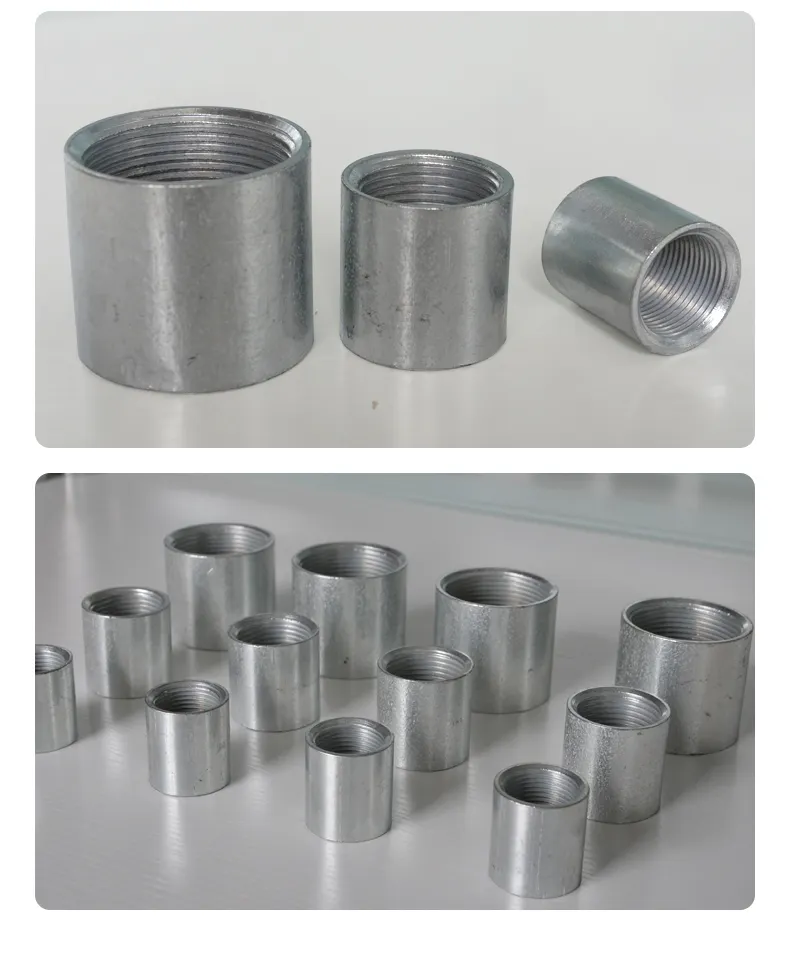
What are the Maintenance Requirements for Half Couplings to Ensure Their Longevity?
Proper maintenance is essential to ensure the longevity and reliable performance of half couplings in piping and plumbing systems. Regular maintenance helps prevent wear, corrosion, and other issues that could lead to leaks or failures. Here are the maintenance requirements for half couplings:
- Inspection: Regularly inspect all half couplings in the system for signs of wear, corrosion, or damage. Check for visible leaks or indications of moisture around the joints. Perform visual inspections and, if necessary, use non-destructive testing methods to assess the integrity of the couplings.
- Cleaning: Keep the half couplings clean and free from dirt, debris, or other contaminants. Clean the coupling surfaces and surrounding areas during maintenance to ensure a proper fit and prevent corrosion.
- Lubrication: For threaded half couplings, apply a suitable lubricant or thread sealant when assembling the connection. This helps prevent galling and ensures a smooth and secure fit between the threads.
- Protection from Corrosion: Take measures to protect the half couplings from corrosion, especially in environments where corrosion is likely. Consider using corrosion-resistant materials for the couplings or applying protective coatings to prevent rusting.
- Temperature and Pressure Considerations: Ensure that the half couplings are suitable for the operating temperature and pressure of the system. High-temperature or high-pressure applications may require special materials or additional maintenance considerations.
- Replacement of Worn or Damaged Couplings: If any half coupling shows signs of wear, damage, or reduced performance during inspections, promptly replace it with a new one. Avoid using couplings that do not meet the necessary standards or show signs of fatigue.
- Proper Installation: During maintenance or replacement, ensure that the half couplings are correctly installed following the manufacturer’s instructions and industry best practices. Proper installation is crucial for achieving a secure and leak-free connection.
- Consider Thermal Expansion: Account for thermal expansion and contraction in the system to prevent stress on the half couplings and other components. Adequate flexibility and expansion joints can help accommodate temperature changes.
- Regular System Checks: Perform regular system checks to monitor the overall health and performance of the piping or plumbing system. Address any issues detected during these checks promptly to prevent cascading problems.
Adhering to these maintenance requirements will help ensure the longevity and reliable operation of the half couplings, contributing to the overall efficiency and safety of the piping or plumbing system.
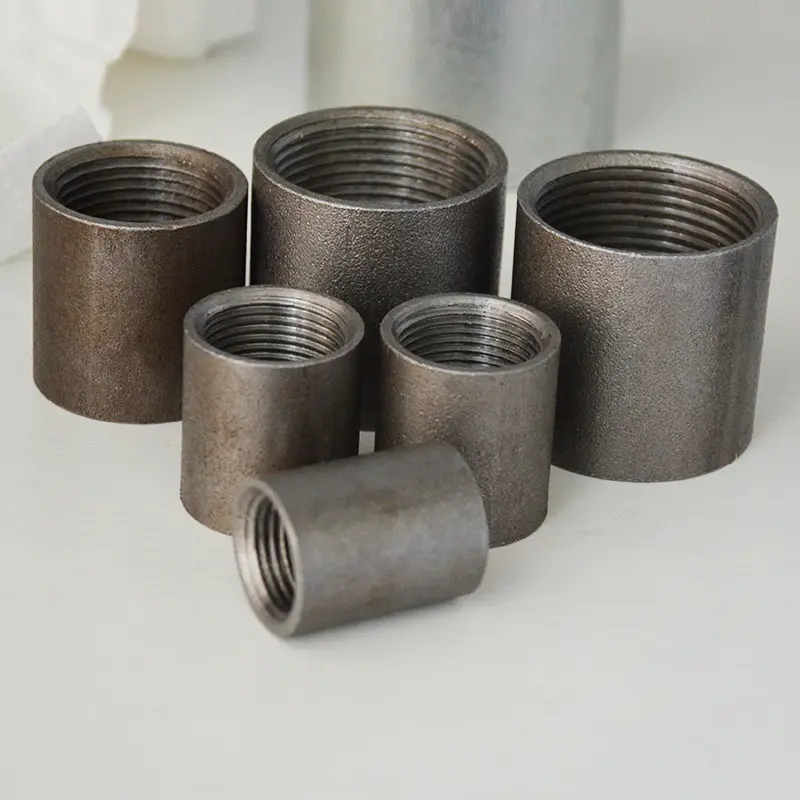
What are some Real-World Examples of Half Coupling Usage in Different Industries?
Half couplings are widely used in various industries to create reliable connections between pipes and components. Here are some real-world examples of half coupling usage in different industries:
- Oil and Gas Industry: In the oil and gas sector, half couplings are commonly used in pipelines for crude oil, natural gas, and refined products transportation. They are also employed in offshore platforms, refineries, and petrochemical plants to connect pipes and fittings in high-pressure and corrosive environments.
- Chemical Processing: The chemical industry utilizes half couplings to connect pipes carrying various chemicals and corrosive substances. The coupling’s resistance to corrosion is vital to ensure the integrity of the piping system in these applications.
- Power Generation: In power plants, half couplings are employed in steam and water pipelines, allowing efficient transfer of heat and fluids in boilers and condensers. They are also used in cooling water systems and various auxiliary processes.
- Food and Beverage: In food processing facilities, stainless steel half couplings are widely used due to their hygienic properties. They help connect pipes in systems for handling water, beverages, dairy products, and other food items, ensuring sanitation and preventing contamination.
- Marine Industry: Half couplings are used in shipbuilding and offshore structures to create connections in piping systems for various applications, including cooling, ballast, and fuel transfer.
- Water and Wastewater Treatment: In municipal water supply and wastewater treatment plants, half couplings are employed to connect pipes and fittings in water distribution and treatment systems, as well as in sewer networks.
- Agriculture: In agricultural settings, half couplings are used to connect pipes for irrigation systems, water supply, and chemical distribution in farming operations.
- Manufacturing: The manufacturing industry utilizes half couplings in various fluid and gas transfer systems for machinery and equipment, as well as in compressed air lines.
- Construction: In construction projects, half couplings are used to connect pipes for plumbing, HVAC systems, and other applications in buildings and infrastructure projects.
- Fire Protection: In fire sprinkler systems, half couplings are employed to connect pipes carrying water or other fire suppressant agents, ensuring effective fire protection in commercial, industrial, and residential buildings.
These examples demonstrate the versatility and significance of half couplings in different industries, where they play a crucial role in creating leak-free and reliable connections in piping systems. The choice of the half coupling material, size, and specifications may vary depending on the specific application and the environmental conditions in which it operates.
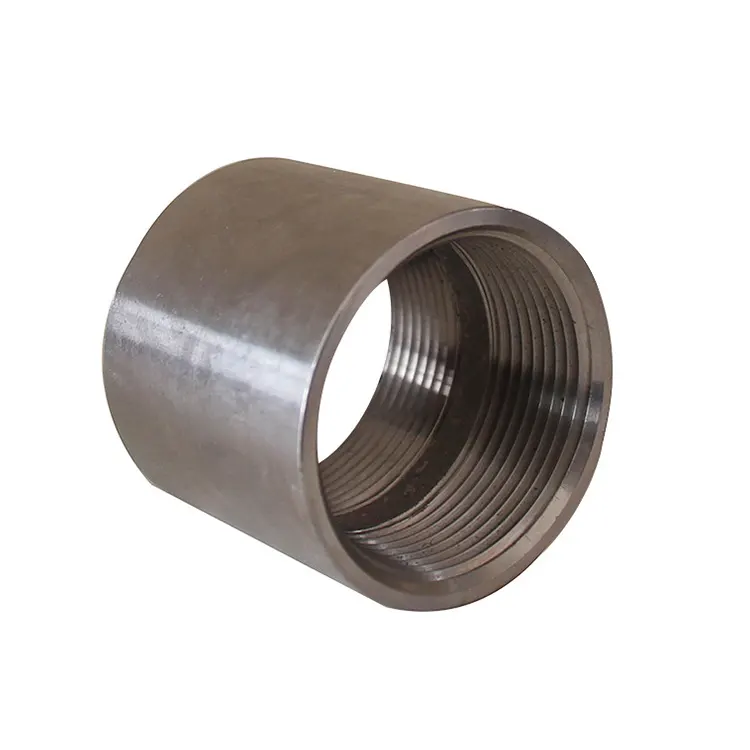
What are the Various Types of Half Couplings and Their Specific Applications?
Half couplings come in different types, each designed to cater to specific applications and requirements in piping and plumbing systems. The various types of half couplings and their specific applications are as follows:
- Threaded Half Couplings: Threaded half couplings have internal threads on one end, allowing for easy connection to pipes with matching external threads. These couplings are commonly used in applications where a secure and leak-proof joint is needed, such as connecting valves, instruments, or equipment to the pipeline.
- Socket Weld Half Couplings: Socket weld half couplings have a socket on one end, which allows for the insertion of the pipe without threading. The joint is then welded for a strong and permanent connection. Socket weld half couplings are widely used in high-pressure applications and systems that require frequent disassembly.
- Butt Weld Half Couplings: Butt weld half couplings are designed for butt welding, which involves welding the coupling directly to the larger pipe end. The other end can be used to attach a smaller pipe. These couplings are commonly used in critical applications where a smooth and continuous inner surface is required to prevent turbulence and pressure losses.
- Reducing Half Couplings: Reducing half couplings are used when a transition between different pipe sizes is needed. One end of the coupling has larger threads or a larger socket to accommodate a larger pipe, while the other end has smaller threads or a smaller socket to connect a smaller pipe. These couplings are commonly used in systems that require a change in pipe size, such as reducing the flow rate or connecting equipment with different pipe sizes.
- Mechanical Grip Half Couplings: Mechanical grip half couplings use a mechanical mechanism to grip and secure the smaller pipe without welding or threading. They are commonly used in temporary connections or situations where frequent disassembly is necessary, such as in temporary test setups or during equipment maintenance.
The choice of half coupling type depends on the specific application, the pipe materials, the operating conditions, and the required joint strength. It is essential to follow industry standards and guidelines when selecting the appropriate type of half coupling to ensure the safety and efficiency of the piping or plumbing system.
In summary, various types of half couplings cater to different needs in piping and plumbing systems. Whether for permanent connections, temporary applications, or transitions between different pipe sizes, half couplings offer versatile solutions for joining pipes securely and efficiently.


editor by CX 2024-04-16