
Product Description
A105 120 PCS Half coupling 2 INCH NPT6000P
Product Parameters
|
Product Name |
Pipe coupling |
|
Size |
1/8″-4″ |
|
Standard |
ANSI B16.11 |
|
Pressure |
2000lbs, 3000lbs,6000lbs, 9000lbs |
|
Type |
full coupling or half coupling |
| End | Threaded or socket welded |
|
Process |
Forged |
|
Surface |
CNC machined, anti-rust oil, HDG(hot dip galv.) |
|
Material |
Carbon steel: A105, A350 LF2,etc. |
|
Pipeline steel: ASTM 694 f42, f52, f60, f65,f70 and etc. |
|
| Stainless steel: A182F304/304L, A182 F316/316L, A182F321, A182F310S, A182F347H, A182F316Ti, 317/317L, 904L, 1.4301, 1.4307, 1.4401, 1.4571, 1.4541, 254Mo and etc. | |
| Duplex stainless steel: ASTM A182 F51, F53,F55, UNS31803, SAF2205, UNS32205, UNS32750 , UNS32760, 1.4462,1.4410,1.4501 and etc. | |
| Nickel alloy: inconel600, inconel625, inconel690, incoloy800, incoloy 825, incoloy 800H,C22, C-276, Monel400, Alloy20 etc. | |
|
Cr-Mo alloy steel: A182 f11,f22,f5,f9,f91, 10CrMo9-10, 16Mo3 etc. |
|
|
Application |
Petrochemical industry;aviation and aerospace industry;pharmaceutical industry,gas exhaust; power plant;ship building; water treatment, etc. |
|
Advantages |
ready stock,faster delivery time;available in all sizes,customized;high quality |
Detailed Photos
End can be socket weld or thread
Marking
Various marking can be curved, or painting by laser on your request. We accept to mark your LOGO
Inspection
1. Dimension measurements, all within standard tolerance.
2. Accept Third party inspection
3. Supply MTC, EN15714 3.1/3.2 certificate
Packaging & Shipping
1. Packed by carton first, then Packed by plywood case as per ISPM15
2. we will put packing list on each package
3. we will put shipping markings on each package. Markings words are on your request.
4. All wood package materials are fumigation free
Our Advantages
Why Choose us
7*24 service time
trace shippment each week
Professional QC QA team, more than 5 people. Inspect all goods before delivery
REFUND MONEY IF REJECTION BECAUSE OF QUALITY
PAYMENT TERM CAN BE L/C, O/A, T/T
OUR FACTORY SHOW
CZIT GROUP(3 factories, 300+workers, 200 +customers, 20+ years experience)
5000tons production capacity each month, fast delivery.
2000#, 3000#, 2″ and below size, A105 fittings are ready to ship
CERTIFICATE SHOW
CUSTOMER FEEDBACK
What is business for us? Not only for earn money, it is for sharing. To meet more better us together.
For us, customers would like cooperate with us, we are very happy and appreciated. Thank you very much for your trust us. We will do what we promise.
Since we treat business very serious, customers would like establish long term relationship with us. And when they gave us FIVE STAR comments, we really very very moved. We will do our best to do more better.
OUR PROJECTS SHOW
Our products can be used in Petrochemical industry;aviation and aerospace industry;pharmaceutical industry,gas exhaust; power plant;ship building; water treatment, etc.
Here is some projects samples for your reference.
FAQ
| FAQ |
| Q: Can you supply Form e, Certificate of origin? |
| A: Yes, we can supply. |
| Q: Can you supply invoice and CO with chamber of commerce? |
| A: Yes, we can supply. |
| Q: Can you accept L/C deferred 30, 60, 90days? |
| A: We can. |
| Q: Can you accept O/A payment? |
| A: We can. |
| Q: Can you supply samples? |
| A: Yes, some samples are free. |
| Q: Can you supply the products which comply with NACE? |
| A: Yes, we can. |
| Q: Can you visit your factory |
| A: Yes, sure. Welcome. |
| Q: Can you inspect the goods before delivery |
| A: Yes, sure. Welcome to our factory inspect the goods. Also accept third party inspection, such as SGS, TUV, BV etc. |
| Q: Can you supply MTC , EN15714 3.1/3.2 certificate? |
| A: Yes, sure. we can |
| Q: Do you have ISO |
| A: Yes, we have |
| Q: Can you accept OEM? |
| A: Yes, we can |
| Q: Can you accept marking our LOGO? |
| A: Yes, we can |
| Q: What is your MOQ? |
| A: 1pcs for standard fittings and flanges. |
| Q: Can you support to design our piping system? |
| A: Yes, we would like to your partner and our engineer will help. |
| Q: Can you offer data sheet and drawing? |
| A: Yes, we can |
| Q: Can you ship by carrier or airline? |
| A: Yes, we can. And we also can ship by train |
| Q: Can you combine your order with other supplier? Then ship together? |
| A: Yes, we can. We would like help you ship together to save your time and money |
| Q: Can you shorten delivery time? |
| A: If very very urgent, please confirm with sales. We would like arrange extra-working time for you. |
| Q: Can you marking on package as per IPPC? |
| A: Yes, we can |
| Q: Can you mark “MADE IN CHINA” on products and packing? |
| A: Yes, we can |
| Q: Can you supply semi-finished products? |
| A: Yes, we can |
| Q: We need some test sample pieces for each heat number, Can you supply? |
| A: Yes, we can |
| Q: Can you supply heat treatment report? |
| A: Yes, we can |
Interested in other products
Tee Coupling Nipple weldolet Flange
/* January 22, 2571 19:08:37 */!function(){function s(e,r){var a,o={};try{e&&e.split(“,”).forEach(function(e,t){e&&(a=e.match(/(.*?):(.*)$/))&&1
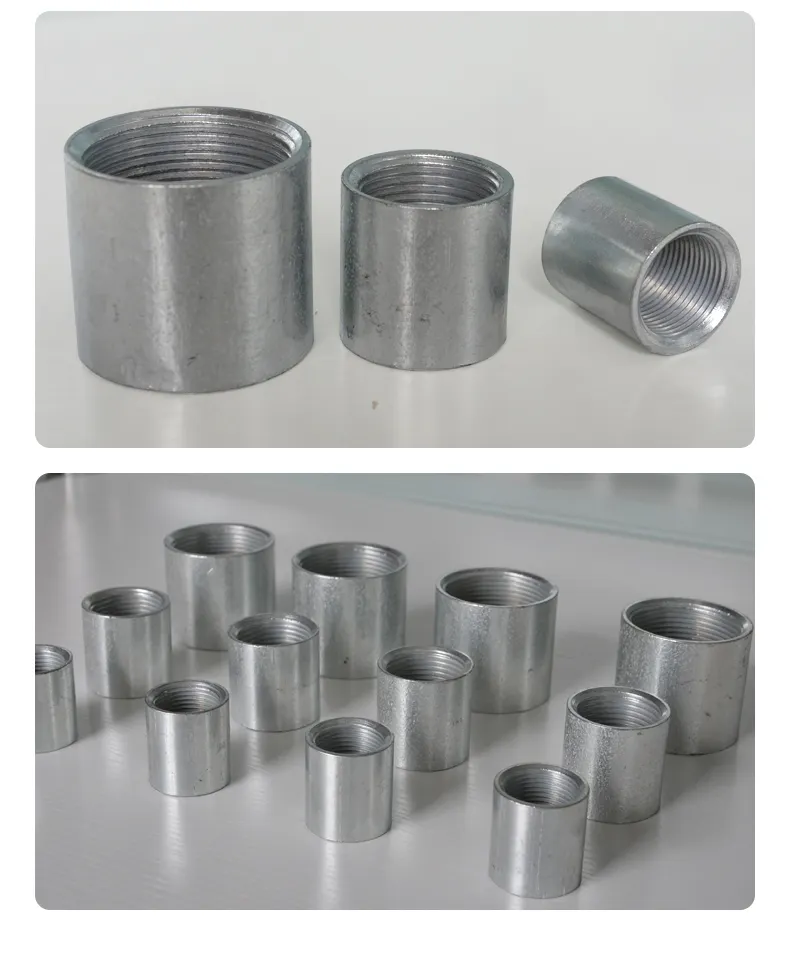
What are the Maintenance Requirements for Half Couplings to Ensure Their Longevity?
Proper maintenance is essential to ensure the longevity and reliable performance of half couplings in piping and plumbing systems. Regular maintenance helps prevent wear, corrosion, and other issues that could lead to leaks or failures. Here are the maintenance requirements for half couplings:
- Inspection: Regularly inspect all half couplings in the system for signs of wear, corrosion, or damage. Check for visible leaks or indications of moisture around the joints. Perform visual inspections and, if necessary, use non-destructive testing methods to assess the integrity of the couplings.
- Cleaning: Keep the half couplings clean and free from dirt, debris, or other contaminants. Clean the coupling surfaces and surrounding areas during maintenance to ensure a proper fit and prevent corrosion.
- Lubrication: For threaded half couplings, apply a suitable lubricant or thread sealant when assembling the connection. This helps prevent galling and ensures a smooth and secure fit between the threads.
- Protection from Corrosion: Take measures to protect the half couplings from corrosion, especially in environments where corrosion is likely. Consider using corrosion-resistant materials for the couplings or applying protective coatings to prevent rusting.
- Temperature and Pressure Considerations: Ensure that the half couplings are suitable for the operating temperature and pressure of the system. High-temperature or high-pressure applications may require special materials or additional maintenance considerations.
- Replacement of Worn or Damaged Couplings: If any half coupling shows signs of wear, damage, or reduced performance during inspections, promptly replace it with a new one. Avoid using couplings that do not meet the necessary standards or show signs of fatigue.
- Proper Installation: During maintenance or replacement, ensure that the half couplings are correctly installed following the manufacturer’s instructions and industry best practices. Proper installation is crucial for achieving a secure and leak-free connection.
- Consider Thermal Expansion: Account for thermal expansion and contraction in the system to prevent stress on the half couplings and other components. Adequate flexibility and expansion joints can help accommodate temperature changes.
- Regular System Checks: Perform regular system checks to monitor the overall health and performance of the piping or plumbing system. Address any issues detected during these checks promptly to prevent cascading problems.
Adhering to these maintenance requirements will help ensure the longevity and reliable operation of the half couplings, contributing to the overall efficiency and safety of the piping or plumbing system.
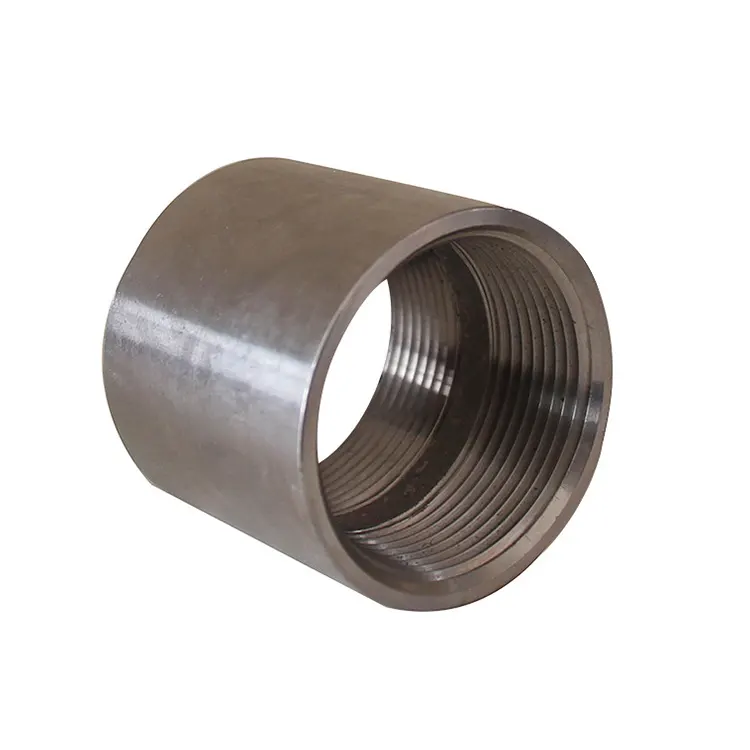
How do you Select the Right Half Coupling Material Based on the Fluid or Gas being Conveyed?
Choosing the appropriate material for half couplings is essential to ensure their compatibility with the fluid or gas being conveyed. The selection process involves considering several factors related to the nature of the conveyed substance and the specific operating conditions. Here’s a step-by-step guide on how to select the right half coupling material:
- Identify the Conveyed Fluid or Gas: Determine the type of fluid or gas that will flow through the piping system. Different materials may be required depending on whether the conveyed substance is water, oil, gas, chemicals, steam, or any other medium.
- Consider the Chemical Compatibility: Evaluate the chemical properties of the conveyed substance. Some fluids or gases can be corrosive or reactive with certain materials. Look for half coupling materials that are chemically resistant to the specific medium to prevent degradation or premature failure.
- Assess the Temperature and Pressure: Take into account the operating temperature and pressure of the system. High-temperature fluids or gases may require materials with excellent heat resistance, while high-pressure applications demand strong and durable coupling materials that can withstand the stress.
- Check for Abrasion or Erosion: In systems where the conveyed substance contains solid particles or abrasive materials, consider half coupling materials with good wear resistance to prevent premature wear and damage to the coupling surface.
- Verify Material Standards: Ensure that the selected half coupling material complies with relevant industry standards such as ASTM, ASME, API, or ISO. These standards define the material’s properties and performance criteria, providing a reliable benchmark for quality and suitability.
- Consider Environmental Conditions: Evaluate the environmental factors that can affect the coupling’s performance, such as humidity, UV exposure, or exposure to harsh chemicals. Choose materials with appropriate coatings or properties to withstand the specific environmental conditions.
- Factor in Cost and Availability: Balancing performance requirements with cost considerations is essential. Select a half coupling material that meets the necessary performance criteria while fitting within the project’s budget. Additionally, ensure that the chosen material is readily available for procurement.
Common materials used for half couplings include carbon steel, stainless steel, alloy steel, brass, bronze, and various plastics such as PVC, CPVC, and PTFE. Each material has its advantages and limitations, making the selection process critical for a successful and reliable piping system.
By carefully considering the conveyed fluid or gas, chemical compatibility, temperature, pressure, abrasion resistance, and other relevant factors, you can make an informed decision and select the right half coupling material that will ensure a safe and efficient operation of the piping system.
What are the Various Types of Half Couplings and Their Specific Applications?
Half couplings come in different types, each designed to cater to specific applications and requirements in piping and plumbing systems. The various types of half couplings and their specific applications are as follows:
- Threaded Half Couplings: Threaded half couplings have internal threads on one end, allowing for easy connection to pipes with matching external threads. These couplings are commonly used in applications where a secure and leak-proof joint is needed, such as connecting valves, instruments, or equipment to the pipeline.
- Socket Weld Half Couplings: Socket weld half couplings have a socket on one end, which allows for the insertion of the pipe without threading. The joint is then welded for a strong and permanent connection. Socket weld half couplings are widely used in high-pressure applications and systems that require frequent disassembly.
- Butt Weld Half Couplings: Butt weld half couplings are designed for butt welding, which involves welding the coupling directly to the larger pipe end. The other end can be used to attach a smaller pipe. These couplings are commonly used in critical applications where a smooth and continuous inner surface is required to prevent turbulence and pressure losses.
- Reducing Half Couplings: Reducing half couplings are used when a transition between different pipe sizes is needed. One end of the coupling has larger threads or a larger socket to accommodate a larger pipe, while the other end has smaller threads or a smaller socket to connect a smaller pipe. These couplings are commonly used in systems that require a change in pipe size, such as reducing the flow rate or connecting equipment with different pipe sizes.
- Mechanical Grip Half Couplings: Mechanical grip half couplings use a mechanical mechanism to grip and secure the smaller pipe without welding or threading. They are commonly used in temporary connections or situations where frequent disassembly is necessary, such as in temporary test setups or during equipment maintenance.
The choice of half coupling type depends on the specific application, the pipe materials, the operating conditions, and the required joint strength. It is essential to follow industry standards and guidelines when selecting the appropriate type of half coupling to ensure the safety and efficiency of the piping or plumbing system.
In summary, various types of half couplings cater to different needs in piping and plumbing systems. Whether for permanent connections, temporary applications, or transitions between different pipe sizes, half couplings offer versatile solutions for joining pipes securely and efficiently.


editor by CX 2024-05-13