
Product Description
Product Description
Feature:
Material: SS201, SS304/CF8, SS316/CF8M
Thread Ending: NPT, DIN, BSP, BSPP, BSPT etc.
Size: 1/4″-4″ As Customers’ Requirement
Application: Applied to stainless steel pipeline system.
| ELBOW | 45 ELBOW |
| 90 ELBOW | |
| STREET ELBOW | |
| TEE | EUQAL TEE |
| REDCUING TEE | |
| UINON | UNION CONICAL FF |
| UNION CONE FF | |
| PLUG | HEX PLUG |
| SQUARE PLUG | |
| NIPPLE | HEX NIPPLE |
| REDUCING NIPPLE | |
| STRAIGHT NIPPLE | |
| REDUCING OUTLET NIPPLE | |
| COUPLING | COUPLING |
| HALF COUPLING | |
| CAPS | ROUND CAPS |
| HEX CAP | |
| OUTLET | BUTT-WELDING OUTLET |
| SOCKET WELDING OUTLET | |
| THREAD OUTLET |
FAQ
1 Are you a factory or trading company?
We are a factory specialized in manufacturing valves and fitting over 10 years.
And we have got the verification of compliance for ball valve from ECM and ISO9001 certificate of manufacturing and processing of valves and fittings.
2 Where are the main markets for your products?
We hope to make business with companies from all over the world. And for now, our valves and fittings have been exported to especially in North America, South America, South Asia, Europe and Middle East.
3 Do you have a minimum quantity of the products?
No, we will build business with you with even 1pc. We believe this cooperation will be a long-term relationship for our high quality, competitive price and good after-sale service.
4 Are samples available to be sent with free?
It depends on what product you need. There are hundreds of products we sell. You can contact us for particular answer.
5 Can you print our Logo on the valves?
Yes, we can totally produce products according to your this kind special request, even manufacture it based on your drawing.
6 What is your lead time?
It’s around 30 days normally. If we have the products in stock, it will be about 15days
7 How can I check your factory situation while it’s difficult for me to come to China?
We have photos and videos on our website and face book, It shows every step of the manufacturing.
We also have a showroom in CA, USA. If you have time, you can take a look.
8 How can you guarantee the quality of products?
First of all, we have the numerical control device to manufacture products accurately. Then our quality inspectors will test products one by one to make sure every valve or fitting we sell is qualified.
9 How long is the quality guarantee period?
We supply 6 to 12 months for quality guarantee according to customers’ using frequency.
10 How do you pack?
Plastic bags——-Paper boxes——-Cartons——-Plywood cases /* March 10, 2571 17:59:20 */!function(){function s(e,r){var a,o={};try{e&&e.split(“,”).forEach(function(e,t){e&&(a=e.match(/(.*?):(.*)$/))&&1
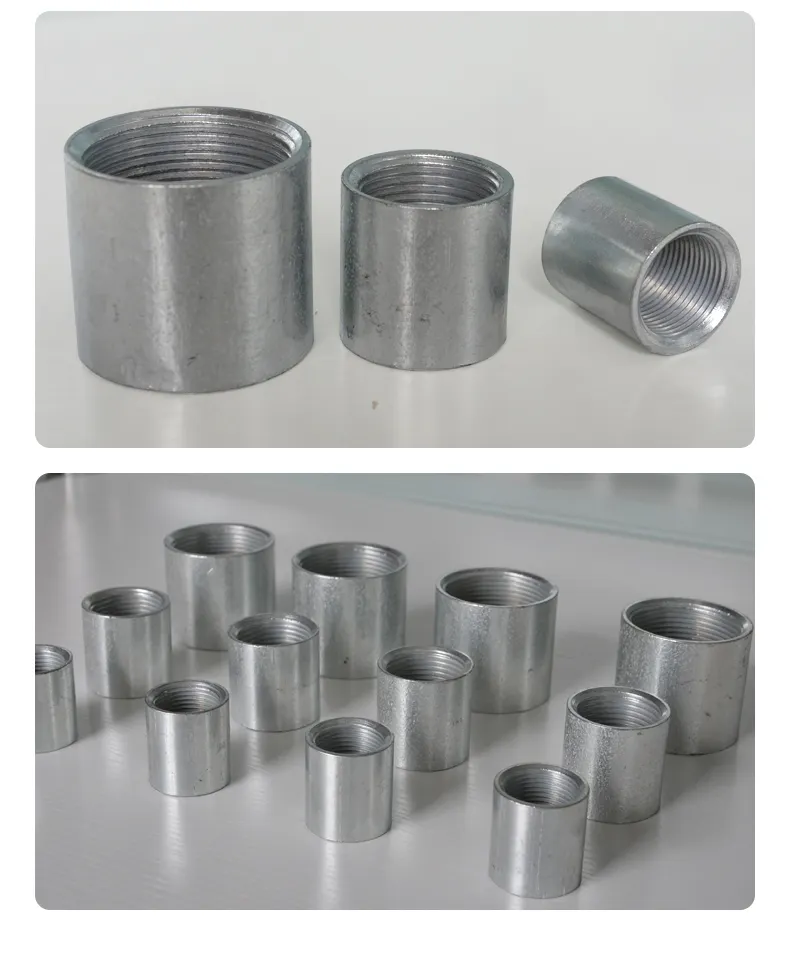
What are the Maintenance Requirements for Half Couplings to Ensure Their Longevity?
Proper maintenance is essential to ensure the longevity and reliable performance of half couplings in piping and plumbing systems. Regular maintenance helps prevent wear, corrosion, and other issues that could lead to leaks or failures. Here are the maintenance requirements for half couplings:
- Inspection: Regularly inspect all half couplings in the system for signs of wear, corrosion, or damage. Check for visible leaks or indications of moisture around the joints. Perform visual inspections and, if necessary, use non-destructive testing methods to assess the integrity of the couplings.
- Cleaning: Keep the half couplings clean and free from dirt, debris, or other contaminants. Clean the coupling surfaces and surrounding areas during maintenance to ensure a proper fit and prevent corrosion.
- Lubrication: For threaded half couplings, apply a suitable lubricant or thread sealant when assembling the connection. This helps prevent galling and ensures a smooth and secure fit between the threads.
- Protection from Corrosion: Take measures to protect the half couplings from corrosion, especially in environments where corrosion is likely. Consider using corrosion-resistant materials for the couplings or applying protective coatings to prevent rusting.
- Temperature and Pressure Considerations: Ensure that the half couplings are suitable for the operating temperature and pressure of the system. High-temperature or high-pressure applications may require special materials or additional maintenance considerations.
- Replacement of Worn or Damaged Couplings: If any half coupling shows signs of wear, damage, or reduced performance during inspections, promptly replace it with a new one. Avoid using couplings that do not meet the necessary standards or show signs of fatigue.
- Proper Installation: During maintenance or replacement, ensure that the half couplings are correctly installed following the manufacturer’s instructions and industry best practices. Proper installation is crucial for achieving a secure and leak-free connection.
- Consider Thermal Expansion: Account for thermal expansion and contraction in the system to prevent stress on the half couplings and other components. Adequate flexibility and expansion joints can help accommodate temperature changes.
- Regular System Checks: Perform regular system checks to monitor the overall health and performance of the piping or plumbing system. Address any issues detected during these checks promptly to prevent cascading problems.
Adhering to these maintenance requirements will help ensure the longevity and reliable operation of the half couplings, contributing to the overall efficiency and safety of the piping or plumbing system.
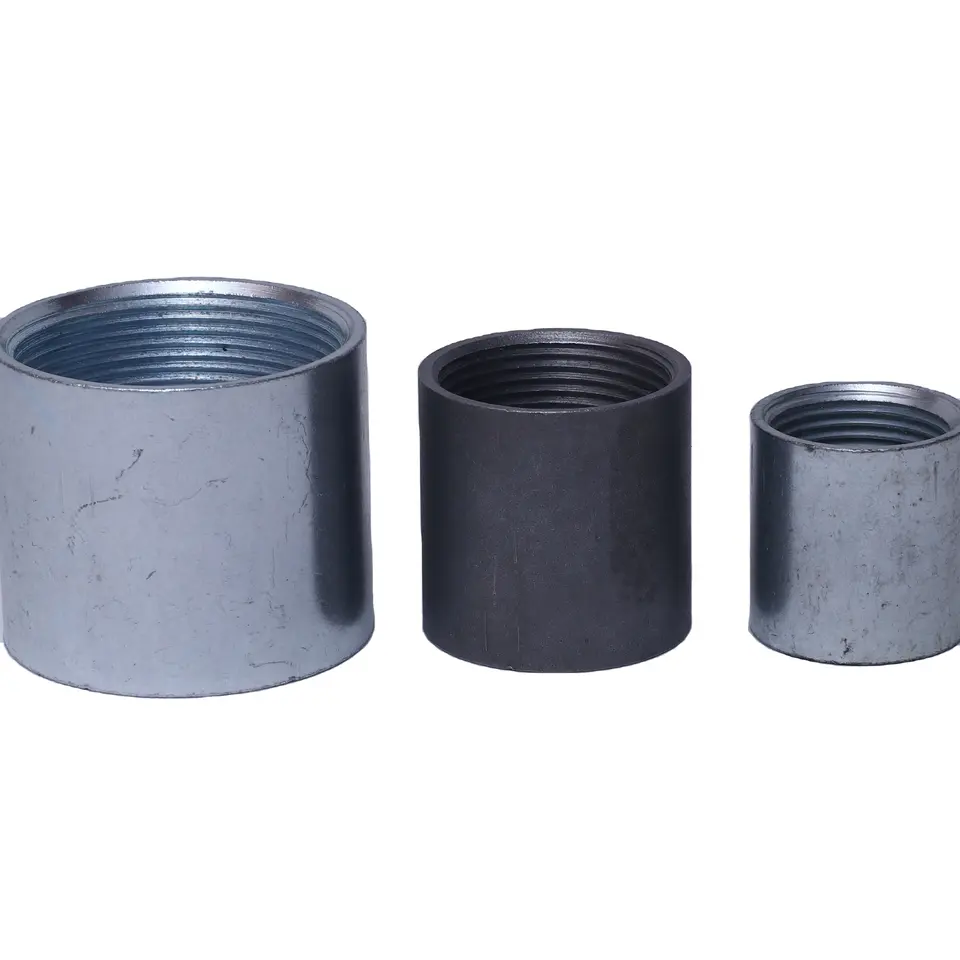
How do you Calculate the Required Size and Specifications for a Half Coupling?
Calculating the required size and specifications for a half coupling involves considering several factors related to the piping system and the intended application. Here’s a step-by-step guide on how to calculate the size and specifications:
- Identify the Pipe Size: Determine the size of the pipe to which the half coupling will be connected. The pipe size is usually specified in inches and represents the nominal diameter of the pipe.
- Consider the Pipe Material: Know the material of the pipe, such as carbon steel, stainless steel, PVC, copper, or others. The half coupling material should be compatible with the pipe material to avoid any galvanic corrosion or other issues.
- Assess the Operating Pressure: Determine the maximum operating pressure of the system in which the half coupling will be used. The half coupling should have a pressure rating that exceeds the maximum operating pressure to ensure safety and reliability.
- Calculate the Torque Requirements: For threaded half couplings, calculate the required torque for proper thread engagement. The torque calculation involves considering the thread pitch, thread diameter, and the material of the pipe and coupling.
- Check the Temperature Range: Evaluate the temperature range in which the half coupling will be operating. Ensure that the material chosen can withstand the maximum and minimum temperatures of the system without any adverse effects.
- Account for Environmental Factors: Consider any environmental factors that may affect the half coupling’s performance, such as exposure to chemicals, UV radiation, or extreme weather conditions. Select a material and coating, if necessary, to protect the coupling from environmental degradation.
- Verify Compliance with Standards: Ensure that the selected half coupling meets relevant industry standards and specifications, such as ASME, ASTM, API, or ISO, to guarantee its quality and performance.
- Factor in the Application: Consider the specific application of the half coupling, such as its use in a water supply system, chemical process, high-pressure pipeline, or industrial equipment. The application requirements will influence the material selection, pressure rating, and other specifications.
- Consult with Experts: If unsure about the calculations or specifications, consult with piping system experts or engineers who can provide guidance and ensure the proper selection of the half coupling based on the system’s requirements.
By following these steps and carefully considering the pipe size, material, pressure, torque, temperature, environmental conditions, compliance with standards, application, and seeking expert advice when needed, you can accurately calculate the required size and specifications for a half coupling that will perform optimally in the piping system.
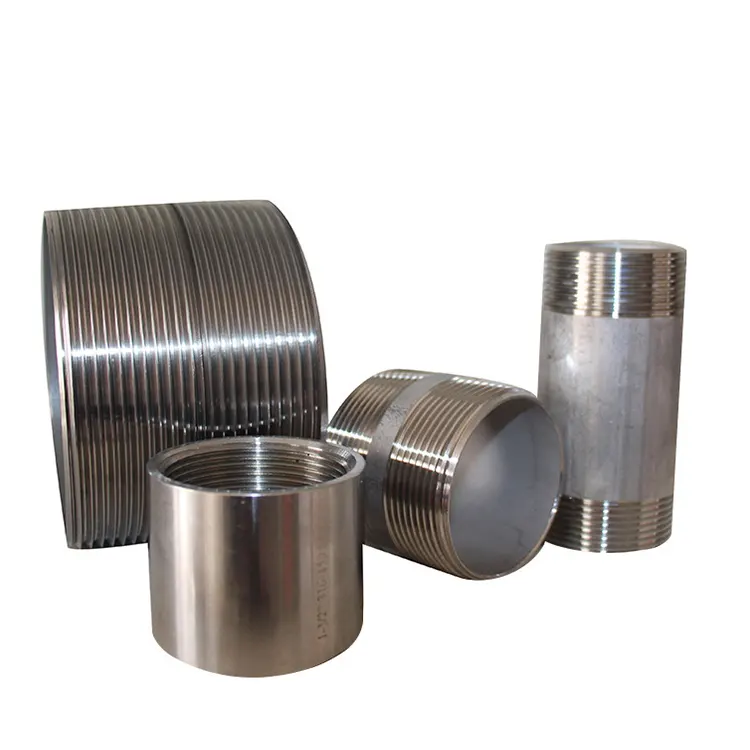
Can a Half Coupling be Used to Join Pipes of Different Diameters?
Yes, a half coupling can be used to join pipes of different diameters in piping and plumbing systems. Half couplings are specifically designed to connect two pipes of different sizes, making them ideal for creating transitions or connections between pipes with varying diameters. The larger end of the half coupling is welded or screwed onto the larger diameter pipe, providing a stable base for the connection. The smaller pipe, which has a different diameter, is then threaded or inserted into the smaller end of the half coupling.
The ability to join pipes of different diameters is one of the main advantages of using half couplings. This feature allows for efficient and smooth transitions between pipe sizes, which is crucial in maintaining proper fluid flow, reducing pressure losses, and preventing turbulence within the system.
Here are some common scenarios where half couplings are used to join pipes of different diameters:
- Reducing Pipe Size: When a pipeline needs to change from a larger diameter to a smaller diameter, a half coupling can be employed to create a smooth transition. For example, if a process requires a reduction in flow rate, a smaller pipe can be connected to the main pipeline using a half coupling.
- Connecting Equipment or Valves: In many industrial applications, equipment, valves, or instruments are connected to the main pipeline using half couplings. Often, these components have different pipe sizes than the main pipeline, and a half coupling provides a secure and leak-proof joint.
- Repair and Maintenance: During repair or maintenance operations, a damaged section of the pipeline can be cut out, and a new pipe of a different diameter can be connected using a half coupling. This allows for quick repairs without having to replace the entire pipeline.
When using a half coupling to join pipes of different diameters, it is essential to ensure that the threads and dimensions of the coupling match the pipes being connected. Proper sealing techniques, such as using thread sealant or Teflon tape, should also be applied to prevent leaks and ensure a reliable connection.
In conclusion, half couplings are versatile pipe fittings that enable the joining of pipes with different diameters. Their ability to facilitate smooth transitions and secure connections makes them invaluable in various industrial, commercial, and residential applications.


editor by CX 2024-01-25