
Product Description
Specification
|
Product name |
Stainless Steel Repair Coupling for Pipe fittings |
|
Material |
Stainless steel, cast iron |
|
Size |
1.0″-6.6″ |
|
Application |
Pipeline of Water, Oil, Gas, Ship Building |
|
Sealing sleeve |
EPDM, NBR, MVQ, FPM/FKM |
|
Packing |
Carton , pallets |
Features :
* used for both pipe connection and pipe leakage repair
* allow angular deflection
* anti corrosive
* easy installation and dismantle
| Lug | SS304/316 |
| Bolts | SS304/316 |
| Gasket | EPDM / NBR |
| Shell | SS304/316 |
| Grip teeth | SS304/316 |
| Application | HDPE Pipe Connection / Leakage Repairing |
Packing & Delivery
Plastic film,Wooden case,Pallet, Bags and cartons or as clients’ requirements inner
/* March 10, 2571 17:59:20 */!function(){function s(e,r){var a,o={};try{e&&e.split(“,”).forEach(function(e,t){e&&(a=e.match(/(.*?):(.*)$/))&&1

How do you Properly Install and Secure a Half Coupling to Ensure a Leak-Free Connection?
Properly installing and securing a half coupling is essential to ensure a leak-free and reliable connection in piping and plumbing systems. Follow these steps to achieve a secure joint:
- Cut and Prepare the Pipe: Start by cutting the larger pipe to the desired length, ensuring a clean and even edge. Use a deburring tool or file to remove any sharp edges or burrs that could interfere with the coupling’s sealing surface.
- Check Threads and Fit: For threaded half couplings, inspect the internal threads of the coupling and the external threads of the pipe. Make sure they are clean and free from debris or damage. Ensure that the threads match and fit properly, as any misalignment can lead to leaks.
- Apply Thread Sealant: Before attaching the half coupling, apply a suitable thread sealant, such as Teflon tape or pipe dope, to the male threads of the pipe. The sealant helps prevent leaks by filling any gaps or imperfections in the threads.
- Attach the Half Coupling: Thread the half coupling onto the pipe’s male threads carefully. Use a wrench to ensure a snug fit, but avoid over-tightening, as it may damage the threads or cause stress on the joint.
- For Socket Weld or Butt Weld Couplings: For socket weld half couplings, insert the smaller pipe into the coupling’s socket and align it properly. For butt weld half couplings, weld the coupling to the larger pipe’s end with proper welding techniques and safety measures. Follow industry standards for welding procedures and ensure a smooth and consistent weld for a leak-free joint.
- Check for Leaks: After installation, perform a leak test to ensure the joint is secure. Apply a pressure test or use a suitable leak-detection method to verify the connection’s integrity. If any leaks are detected, disassemble the joint, inspect for issues, and reassemble following the proper steps.
- Consider Thermal Expansion: In applications with temperature variations, consider the thermal expansion and contraction of the pipes. Provide sufficient flexibility in the system to accommodate these changes and prevent stress on the joints, which could lead to leaks over time.
- Follow Manufacturer’s Instructions: Always follow the manufacturer’s instructions and recommendations for the specific type and material of the half coupling being used. Different couplings may have unique installation requirements and torque specifications.
Proper installation and securing of a half coupling are crucial for maintaining the integrity of the piping or plumbing system and ensuring a leak-free connection. Following these steps and adhering to industry standards will help achieve a reliable and durable joint.
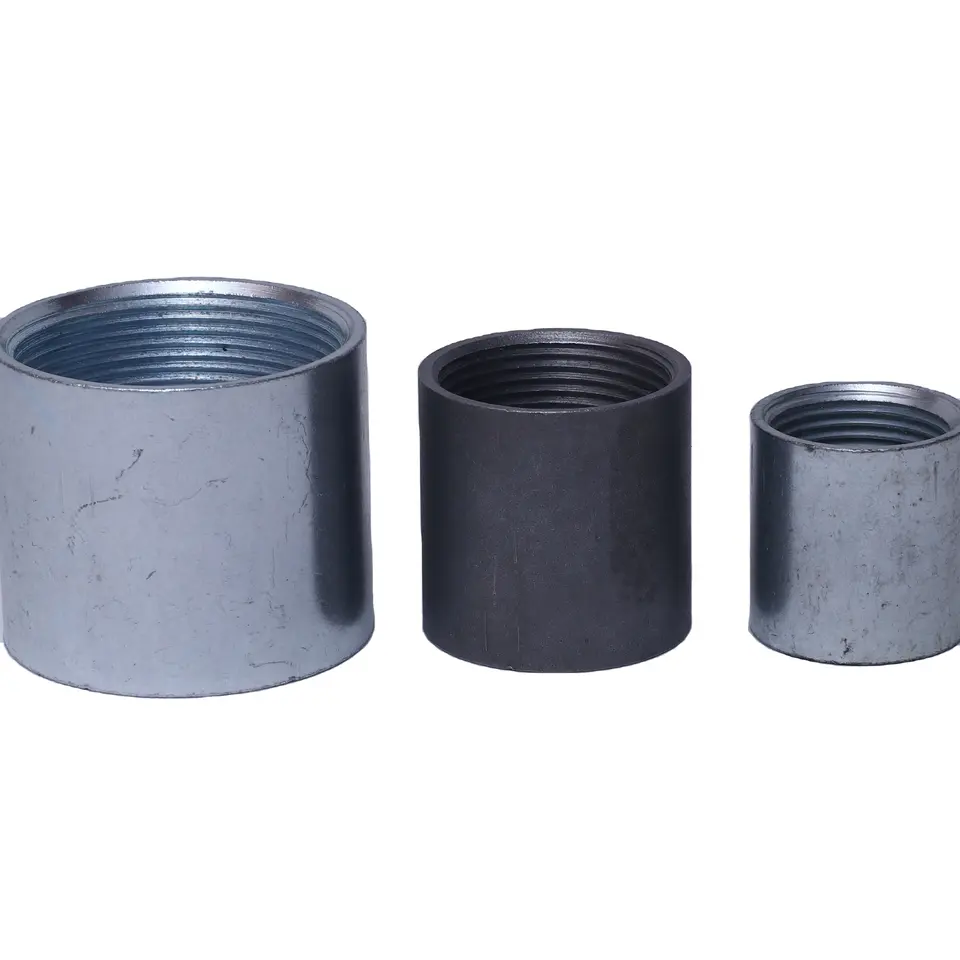
How do you Calculate the Required Size and Specifications for a Half Coupling?
Calculating the required size and specifications for a half coupling involves considering several factors related to the piping system and the intended application. Here’s a step-by-step guide on how to calculate the size and specifications:
- Identify the Pipe Size: Determine the size of the pipe to which the half coupling will be connected. The pipe size is usually specified in inches and represents the nominal diameter of the pipe.
- Consider the Pipe Material: Know the material of the pipe, such as carbon steel, stainless steel, PVC, copper, or others. The half coupling material should be compatible with the pipe material to avoid any galvanic corrosion or other issues.
- Assess the Operating Pressure: Determine the maximum operating pressure of the system in which the half coupling will be used. The half coupling should have a pressure rating that exceeds the maximum operating pressure to ensure safety and reliability.
- Calculate the Torque Requirements: For threaded half couplings, calculate the required torque for proper thread engagement. The torque calculation involves considering the thread pitch, thread diameter, and the material of the pipe and coupling.
- Check the Temperature Range: Evaluate the temperature range in which the half coupling will be operating. Ensure that the material chosen can withstand the maximum and minimum temperatures of the system without any adverse effects.
- Account for Environmental Factors: Consider any environmental factors that may affect the half coupling’s performance, such as exposure to chemicals, UV radiation, or extreme weather conditions. Select a material and coating, if necessary, to protect the coupling from environmental degradation.
- Verify Compliance with Standards: Ensure that the selected half coupling meets relevant industry standards and specifications, such as ASME, ASTM, API, or ISO, to guarantee its quality and performance.
- Factor in the Application: Consider the specific application of the half coupling, such as its use in a water supply system, chemical process, high-pressure pipeline, or industrial equipment. The application requirements will influence the material selection, pressure rating, and other specifications.
- Consult with Experts: If unsure about the calculations or specifications, consult with piping system experts or engineers who can provide guidance and ensure the proper selection of the half coupling based on the system’s requirements.
By following these steps and carefully considering the pipe size, material, pressure, torque, temperature, environmental conditions, compliance with standards, application, and seeking expert advice when needed, you can accurately calculate the required size and specifications for a half coupling that will perform optimally in the piping system.
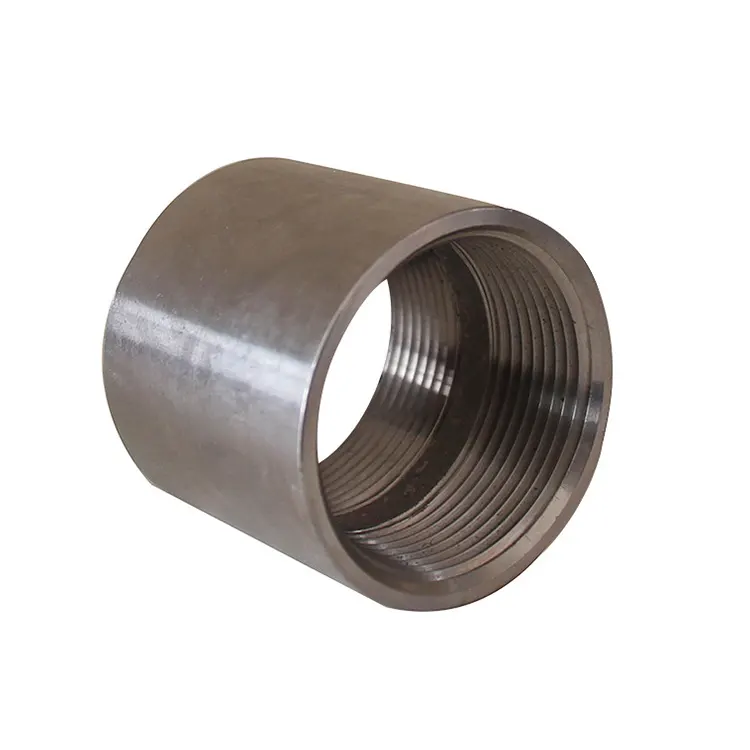
What are the Various Types of Half Couplings and Their Specific Applications?
Half couplings come in different types, each designed to cater to specific applications and requirements in piping and plumbing systems. The various types of half couplings and their specific applications are as follows:
- Threaded Half Couplings: Threaded half couplings have internal threads on one end, allowing for easy connection to pipes with matching external threads. These couplings are commonly used in applications where a secure and leak-proof joint is needed, such as connecting valves, instruments, or equipment to the pipeline.
- Socket Weld Half Couplings: Socket weld half couplings have a socket on one end, which allows for the insertion of the pipe without threading. The joint is then welded for a strong and permanent connection. Socket weld half couplings are widely used in high-pressure applications and systems that require frequent disassembly.
- Butt Weld Half Couplings: Butt weld half couplings are designed for butt welding, which involves welding the coupling directly to the larger pipe end. The other end can be used to attach a smaller pipe. These couplings are commonly used in critical applications where a smooth and continuous inner surface is required to prevent turbulence and pressure losses.
- Reducing Half Couplings: Reducing half couplings are used when a transition between different pipe sizes is needed. One end of the coupling has larger threads or a larger socket to accommodate a larger pipe, while the other end has smaller threads or a smaller socket to connect a smaller pipe. These couplings are commonly used in systems that require a change in pipe size, such as reducing the flow rate or connecting equipment with different pipe sizes.
- Mechanical Grip Half Couplings: Mechanical grip half couplings use a mechanical mechanism to grip and secure the smaller pipe without welding or threading. They are commonly used in temporary connections or situations where frequent disassembly is necessary, such as in temporary test setups or during equipment maintenance.
The choice of half coupling type depends on the specific application, the pipe materials, the operating conditions, and the required joint strength. It is essential to follow industry standards and guidelines when selecting the appropriate type of half coupling to ensure the safety and efficiency of the piping or plumbing system.
In summary, various types of half couplings cater to different needs in piping and plumbing systems. Whether for permanent connections, temporary applications, or transitions between different pipe sizes, half couplings offer versatile solutions for joining pipes securely and efficiently.


editor by CX 2024-01-19