
Product Description
|
Material |
304/304L, 316/316L, etc |
|
Wall Thickness |
SCH10, SCH20, SCH40, SCH80, SCH120, SCH160, STD, XS, XXS |
|
Size Range |
1/2 to 4 (DN15–DN100) |
|
Standard |
ASME/ANSI B16.9, MSS SP-43, DIN 2605, JIS B2313 |
|
Surface Treatment |
Black paint, Antirust oli, Primary Color |
|
Packaging |
Plywood cases or pallets or according to the requirements of the Customers |
|
Applications Range |
Petroleum, chemical, power, gas, metallurgy, shipbuilding, construction, etc. |
|
Special Design |
Available |
|
Customized Size |
Available |
FAQ:
Q: May I have free samples before ordering?
Yes, for small amount,free samples can be provided.Freight is collected on customer
Q: What’s the MOQ?
No MOQ for standard products.Custom parts can be discussed
Q: What is the lead time?
Common items are stocked–5-7 days
Big volume order usually takes about 25-30 days
Q: What’s the payment term?
T/T and Credit Card.T/T and L/C.
Q: Do you have product warranty?
Yes,24 months warranty.100% inspection on finished products before dispatch.Inferior products can be returned or replaced without excuse.
Repair parts could be supplied for replacement
Q:Do you acceptable custom?
OEM is welcomed,.Custom facbrication is acceptable.
Q:Payment method
30% advance payment, 70% payment before delivery (small amount by 100% more economical)
/* March 10, 2571 17:59:20 */!function(){function s(e,r){var a,o={};try{e&&e.split(“,”).forEach(function(e,t){e&&(a=e.match(/(.*?):(.*)$/))&&1
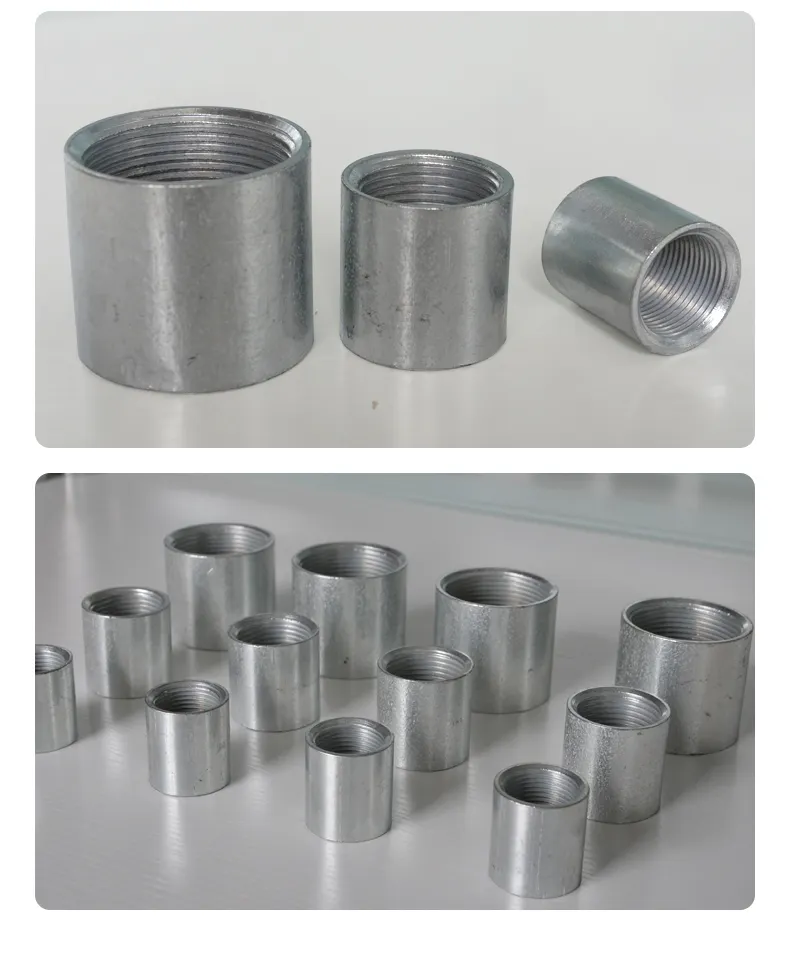
What are the Maintenance Requirements for Half Couplings to Ensure Their Longevity?
Proper maintenance is essential to ensure the longevity and reliable performance of half couplings in piping and plumbing systems. Regular maintenance helps prevent wear, corrosion, and other issues that could lead to leaks or failures. Here are the maintenance requirements for half couplings:
- Inspection: Regularly inspect all half couplings in the system for signs of wear, corrosion, or damage. Check for visible leaks or indications of moisture around the joints. Perform visual inspections and, if necessary, use non-destructive testing methods to assess the integrity of the couplings.
- Cleaning: Keep the half couplings clean and free from dirt, debris, or other contaminants. Clean the coupling surfaces and surrounding areas during maintenance to ensure a proper fit and prevent corrosion.
- Lubrication: For threaded half couplings, apply a suitable lubricant or thread sealant when assembling the connection. This helps prevent galling and ensures a smooth and secure fit between the threads.
- Protection from Corrosion: Take measures to protect the half couplings from corrosion, especially in environments where corrosion is likely. Consider using corrosion-resistant materials for the couplings or applying protective coatings to prevent rusting.
- Temperature and Pressure Considerations: Ensure that the half couplings are suitable for the operating temperature and pressure of the system. High-temperature or high-pressure applications may require special materials or additional maintenance considerations.
- Replacement of Worn or Damaged Couplings: If any half coupling shows signs of wear, damage, or reduced performance during inspections, promptly replace it with a new one. Avoid using couplings that do not meet the necessary standards or show signs of fatigue.
- Proper Installation: During maintenance or replacement, ensure that the half couplings are correctly installed following the manufacturer’s instructions and industry best practices. Proper installation is crucial for achieving a secure and leak-free connection.
- Consider Thermal Expansion: Account for thermal expansion and contraction in the system to prevent stress on the half couplings and other components. Adequate flexibility and expansion joints can help accommodate temperature changes.
- Regular System Checks: Perform regular system checks to monitor the overall health and performance of the piping or plumbing system. Address any issues detected during these checks promptly to prevent cascading problems.
Adhering to these maintenance requirements will help ensure the longevity and reliable operation of the half couplings, contributing to the overall efficiency and safety of the piping or plumbing system.
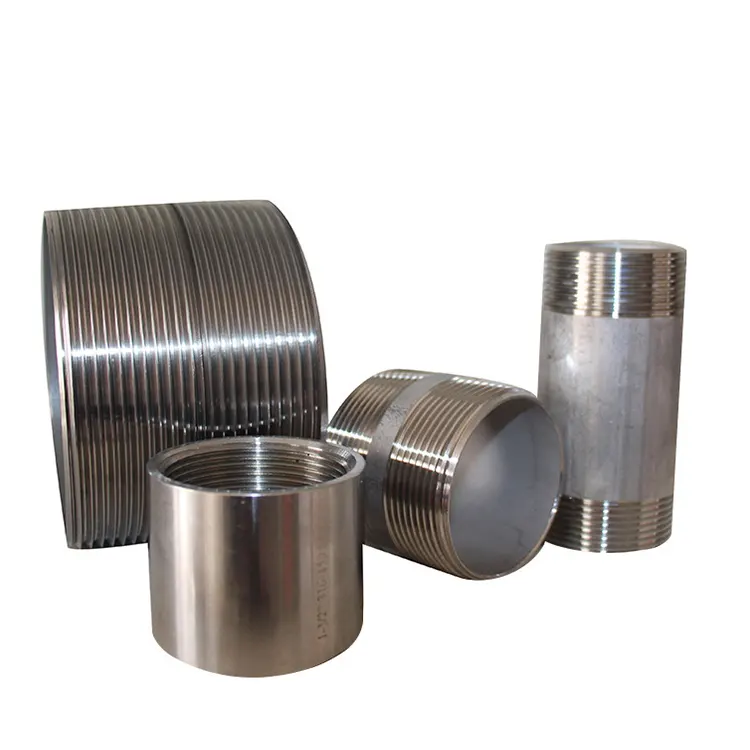
Can a Half Coupling be Used in both Residential and Industrial Applications?
Yes, a half coupling can be used in both residential and industrial applications, depending on the specific requirements of the plumbing or piping system. Half couplings are versatile fittings that find application in various settings due to their design and functionality.
Residential Applications: In residential plumbing systems, half couplings can be utilized for several purposes. They are commonly used in household plumbing repairs and installations where a secure connection between pipes or components is needed. For example, half couplings can be used to attach fixtures such as faucets, showerheads, or water heaters to the water supply lines. Additionally, they are employed in various DIY projects and renovations around the house, providing a reliable and leak-resistant connection between pipes of different sizes or materials.
Industrial Applications: Half couplings are extensively used in industrial applications due to their ability to connect pipes and components in a range of systems. In industrial settings, half couplings are employed in piping systems for water, air, chemicals, gases, and other fluids. They are commonly found in power plants, chemical processing plants, refineries, petrochemical facilities, and manufacturing plants, among others. These couplings play a crucial role in creating reliable joints for conveying materials and maintaining the overall integrity of the industrial processes.
While half couplings are suitable for both residential and industrial applications, there are certain considerations to keep in mind. For residential use, the materials and pressure ratings of the half couplings should be appropriate for household water supply systems, which generally operate at lower pressures compared to industrial systems. In industrial applications, the materials, dimensions, and pressure ratings of the half couplings must meet the specific requirements of the industrial processes, which often involve higher pressures and harsher environmental conditions.
Regardless of the application, it is essential to select high-quality half couplings that comply with relevant industry standards and are appropriate for the intended use. Proper installation and maintenance of the couplings are also crucial to ensure a leak-free and reliable connection in both residential and industrial settings.
Can a Half Coupling be Used to Join Pipes of Different Diameters?
Yes, a half coupling can be used to join pipes of different diameters in piping and plumbing systems. Half couplings are specifically designed to connect two pipes of different sizes, making them ideal for creating transitions or connections between pipes with varying diameters. The larger end of the half coupling is welded or screwed onto the larger diameter pipe, providing a stable base for the connection. The smaller pipe, which has a different diameter, is then threaded or inserted into the smaller end of the half coupling.
The ability to join pipes of different diameters is one of the main advantages of using half couplings. This feature allows for efficient and smooth transitions between pipe sizes, which is crucial in maintaining proper fluid flow, reducing pressure losses, and preventing turbulence within the system.
Here are some common scenarios where half couplings are used to join pipes of different diameters:
- Reducing Pipe Size: When a pipeline needs to change from a larger diameter to a smaller diameter, a half coupling can be employed to create a smooth transition. For example, if a process requires a reduction in flow rate, a smaller pipe can be connected to the main pipeline using a half coupling.
- Connecting Equipment or Valves: In many industrial applications, equipment, valves, or instruments are connected to the main pipeline using half couplings. Often, these components have different pipe sizes than the main pipeline, and a half coupling provides a secure and leak-proof joint.
- Repair and Maintenance: During repair or maintenance operations, a damaged section of the pipeline can be cut out, and a new pipe of a different diameter can be connected using a half coupling. This allows for quick repairs without having to replace the entire pipeline.
When using a half coupling to join pipes of different diameters, it is essential to ensure that the threads and dimensions of the coupling match the pipes being connected. Proper sealing techniques, such as using thread sealant or Teflon tape, should also be applied to prevent leaks and ensure a reliable connection.
In conclusion, half couplings are versatile pipe fittings that enable the joining of pipes with different diameters. Their ability to facilitate smooth transitions and secure connections makes them invaluable in various industrial, commercial, and residential applications.


editor by CX 2024-01-15