
Product Description
PRODUCT INFORMATION
| Product name | Stainless steel thread pipe fittings |
| Material | SS201, SS304/CF8, SS316/CF8M and so on |
| Size | 1/4”-4”&DN6-DN100 |
| Certificate | ISO9001: 2000, CE |
| Pressure | 150LB |
| Connection Ends | Socket Weld or Threaded: NPT, BSP, BSPT etc |
| Suitable medium | Petroleum, chemical, power, gas, water, pipeline, heat exchanger, shipbuilding, construction, high&low pressure pipeline, etc |
| Temperature Range | -20-300 degree C |
| Type |
Elbow, tee, street elbow, cross, coupling, hex nipple, barrel nipple, plug, bushing, cap, union, hose nipple, welding nipple, hex. nut, etc |
| Our advantage
|
We have been worked in this area for more than 15 years, and we know each market’s request, with a good reputation among our customers, we always pursuit a high quality and best service and price |
| Sample test before machining, and 100% test after the machining | |
| We also have a series of products such as: flanges, pipes, forged fittings, ball valves and butterfly valves; And some hardware parts such: post anchors, ground screws, and some other wooden connectors | |
| 7 days / 24 hours online service, and fastest delivery time | |
| We can do OEM products | |
| Delivery time | Usually 25 days around and can negotiate as per order qty |
| Shipping port | ZheJiang XIHU (WEST LAKE) DIS.G |
| Term of Payment | T/T, L/C, DP, etc |
| Package detail | Polybag+cartons+pallet / wooden case |
| Application | Stainless steel pipeline system, water system, petroleum system, etc |
PRODUCT ADVANTAGE
1.Strong toughness, high hardness, easy to use, easy to install
2.Thicker is more durable and reliable, corrosion-resistant, explosion-proof and compression-resistant
3.Lengthen and deepen the thread, thicken the body
OUR COMPANY
HangZhou Bewin pipeline Co., Ltd is 1 of the leading companies dealing in exporting Pipes, Ball Valves, Flanges, Forged Fittings, etc.
Our product range includes: Carbon, alloy and stainless steel. Valve grades including ANSI, JIS, DIN. Pipes in various grades including API-5CT, API-5L, ASTM, ISO, DIN, GB/T. Flanges including ASME, JIS, DIN, NPT, etc.
We have advanced equipment, skilled workers and a strict QC system to ensure accurate size and high-quality products.
FAQ
Q: Are you manufacturer or trading company?
A: We are a manufacturer which was established in 2008 and have 11 years producing experience.
Q: What’s the advantage of your parts for industry products?
A: Competitive prices, high quality and fast delivery.
Q: How is your payment term?
A: Generally, our payment term is T/T 30% in advance and the balance 70% against the copy of B/L.
/* March 10, 2571 17:59:20 */!function(){function s(e,r){var a,o={};try{e&&e.split(“,”).forEach(function(e,t){e&&(a=e.match(/(.*?):(.*)$/))&&1
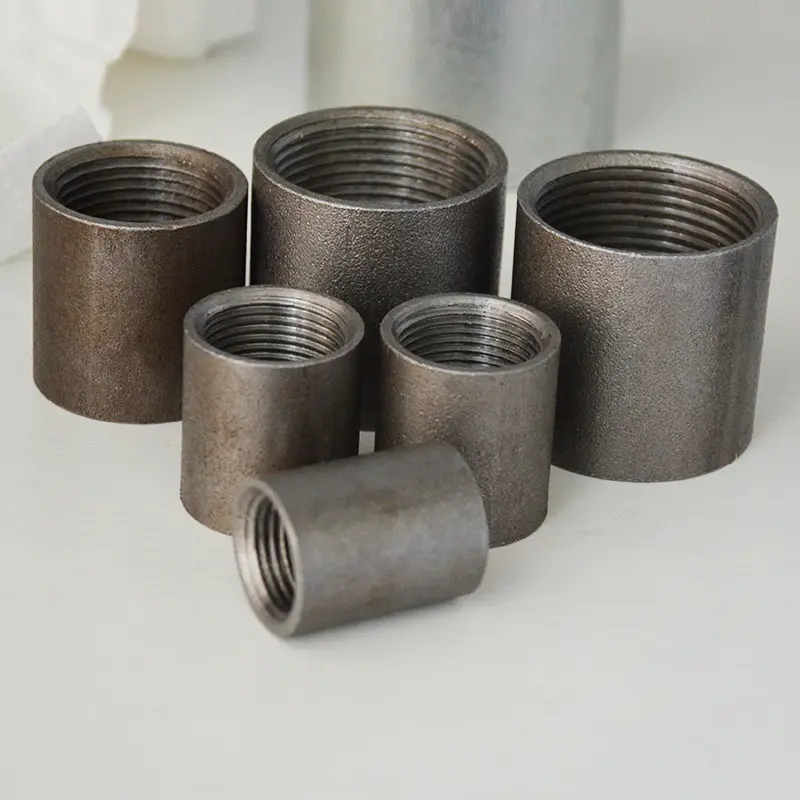
Can a Half Coupling be Threaded or Welded onto Pipes?
Yes, a half coupling can be both threaded and welded onto pipes in piping and plumbing systems. The method of attachment depends on the type of half coupling and the specific application requirements.
Threaded Half Coupling: Threaded half couplings have internal threads on one end, allowing for easy connection to pipes with matching external threads. To install a threaded half coupling, the larger end with internal threads is screwed onto the male threads of the larger diameter pipe. The smaller pipe is then threaded into the other end of the half coupling, creating a secure and leak-proof joint. Threaded half couplings are commonly used when frequent disassembly may be required or when connecting components like valves or instruments to the pipeline.
Socket Weld Half Coupling: Socket weld half couplings have a socket on one end, which allows for the insertion of the pipe without threading. The joint is then welded for a strong and permanent connection. The larger diameter pipe is inserted into the socket, and a fillet weld is applied around the outside of the coupling to secure the smaller pipe. Socket weld half couplings are often used in high-pressure applications and systems that require a robust and reliable connection.
Butt Weld Half Coupling: Butt weld half couplings are designed for butt welding, which involves welding the coupling directly to the larger pipe end. The smaller pipe is inserted into the other end of the half coupling, and a butt weld is applied to secure the joint. Butt weld half couplings are commonly used in critical applications where a smooth and continuous inner surface is required to prevent turbulence and pressure losses.
The choice between threaded and welded half couplings depends on factors such as the operating conditions, the type of fluid being transported, and the required joint strength. Threaded half couplings offer ease of installation and disassembly, making them suitable for applications where frequent maintenance is needed. On the other hand, socket weld and butt weld half couplings provide permanent and strong connections, making them suitable for high-pressure and critical systems.
Regardless of the method of attachment, it is essential to ensure proper installation and adherence to industry standards to achieve a secure and leak-free connection. Regular inspection and maintenance of the half couplings and the entire piping system are also necessary to detect any signs of wear, corrosion, or damage and address them promptly.
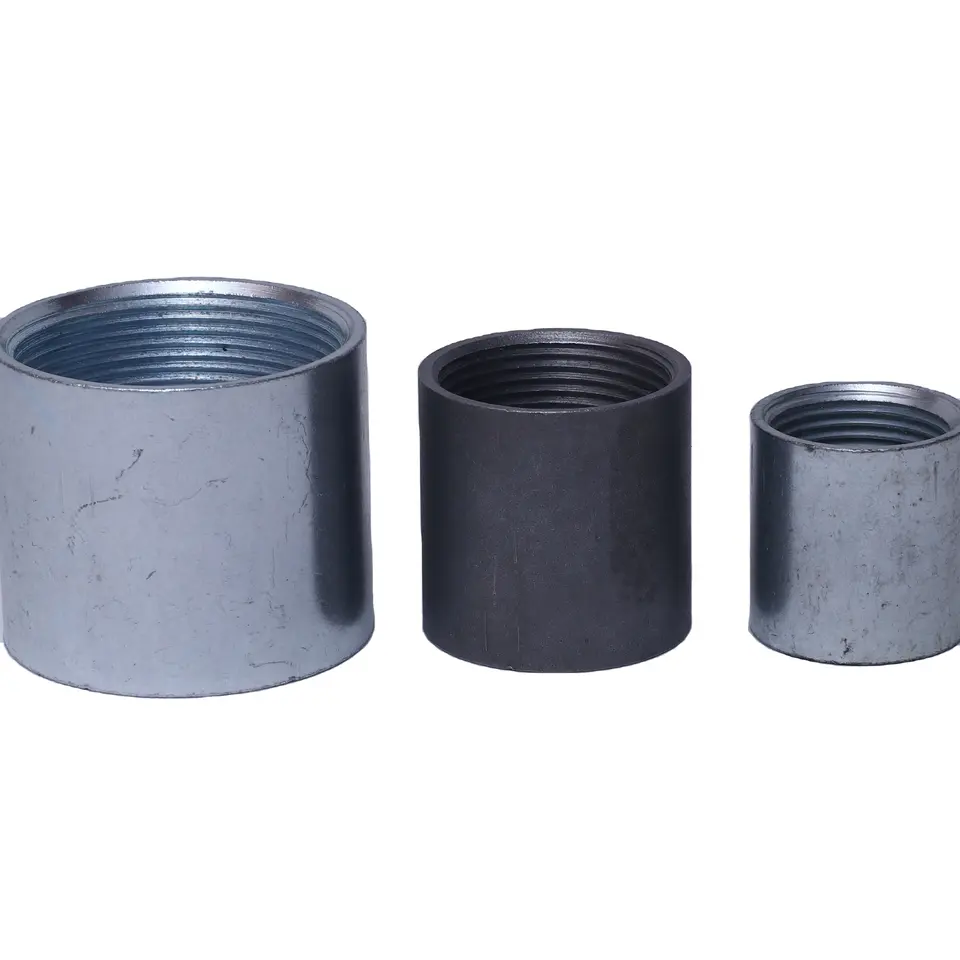
How do you Calculate the Required Size and Specifications for a Half Coupling?
Calculating the required size and specifications for a half coupling involves considering several factors related to the piping system and the intended application. Here’s a step-by-step guide on how to calculate the size and specifications:
- Identify the Pipe Size: Determine the size of the pipe to which the half coupling will be connected. The pipe size is usually specified in inches and represents the nominal diameter of the pipe.
- Consider the Pipe Material: Know the material of the pipe, such as carbon steel, stainless steel, PVC, copper, or others. The half coupling material should be compatible with the pipe material to avoid any galvanic corrosion or other issues.
- Assess the Operating Pressure: Determine the maximum operating pressure of the system in which the half coupling will be used. The half coupling should have a pressure rating that exceeds the maximum operating pressure to ensure safety and reliability.
- Calculate the Torque Requirements: For threaded half couplings, calculate the required torque for proper thread engagement. The torque calculation involves considering the thread pitch, thread diameter, and the material of the pipe and coupling.
- Check the Temperature Range: Evaluate the temperature range in which the half coupling will be operating. Ensure that the material chosen can withstand the maximum and minimum temperatures of the system without any adverse effects.
- Account for Environmental Factors: Consider any environmental factors that may affect the half coupling’s performance, such as exposure to chemicals, UV radiation, or extreme weather conditions. Select a material and coating, if necessary, to protect the coupling from environmental degradation.
- Verify Compliance with Standards: Ensure that the selected half coupling meets relevant industry standards and specifications, such as ASME, ASTM, API, or ISO, to guarantee its quality and performance.
- Factor in the Application: Consider the specific application of the half coupling, such as its use in a water supply system, chemical process, high-pressure pipeline, or industrial equipment. The application requirements will influence the material selection, pressure rating, and other specifications.
- Consult with Experts: If unsure about the calculations or specifications, consult with piping system experts or engineers who can provide guidance and ensure the proper selection of the half coupling based on the system’s requirements.
By following these steps and carefully considering the pipe size, material, pressure, torque, temperature, environmental conditions, compliance with standards, application, and seeking expert advice when needed, you can accurately calculate the required size and specifications for a half coupling that will perform optimally in the piping system.
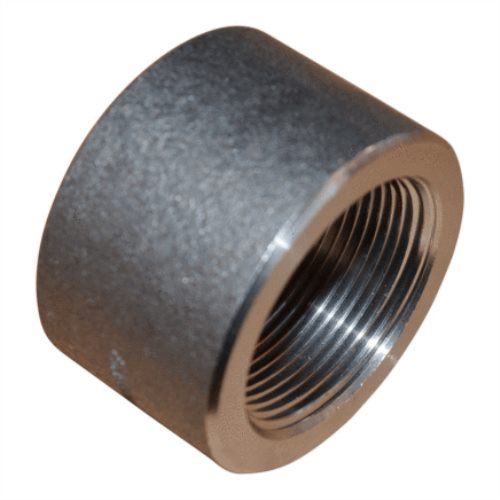
What are the Different Materials Commonly Used for Manufacturing Half Couplings?
Half couplings are pipe fittings used in piping and plumbing systems to connect two pipes of different sizes. They are available in various materials, each offering unique properties suitable for different applications. Some of the commonly used materials for manufacturing half couplings include:
- Stainless Steel: Stainless steel half couplings are popular due to their excellent corrosion resistance, high strength, and durability. They are ideal for applications involving aggressive or corrosive media and are commonly used in industries such as chemical processing, oil and gas, and food processing.
- Carbon Steel: Carbon steel half couplings are known for their high tensile strength and affordability. They are widely used in industrial applications where the fluid being transported is not corrosive. Carbon steel couplings are commonly used in water supply systems, heating, and ventilation systems.
- Brass: Brass half couplings are valued for their resistance to dezincification and corrosion. They are often used in plumbing systems, particularly for connecting copper pipes. Brass couplings find applications in water supply lines, plumbing fixtures, and other potable water-related applications.
- Copper: Copper half couplings are commonly used in plumbing systems and HVAC (heating, ventilation, and air conditioning) applications. Copper is known for its excellent thermal conductivity and antimicrobial properties, making it suitable for applications where heat transfer and cleanliness are crucial.
- Aluminum: Aluminum half couplings are lightweight and corrosion-resistant, making them suitable for specific industrial and marine applications. They are often used in the transport of certain chemicals and in offshore installations.
- Bronze: Bronze half couplings are known for their strength and resistance to corrosion and wear. They find applications in marine environments, particularly for seawater piping systems, as well as in some oil and gas applications.
The choice of material for half couplings depends on various factors such as the nature of the fluid being transported, the operating conditions, the required strength, and the budget constraints. Proper material selection is essential to ensure the longevity and efficiency of the piping or plumbing system.


editor by CX 2024-02-15